





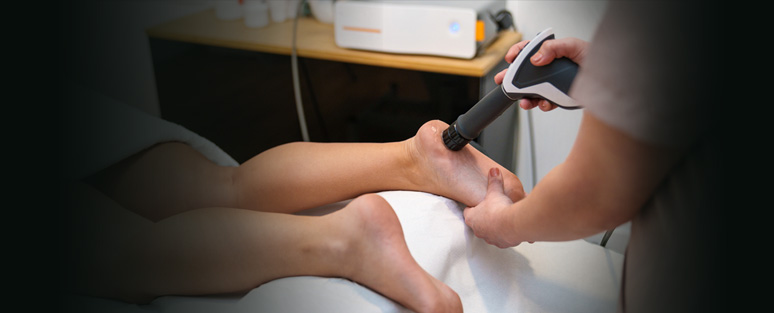




Achilles Pathology Treatment in Portland, OR
The Achilles tendon connects the calf muscles to the heel bone and plays an important role in walking, running, jumping, and pushing off the ground. Problems affecting this tendon can cause heel pain, stiffness, swelling, or weakness and may interfere with everyday activities and sports. Dr. Natalie Mesnier provides specialized foot and ankle care in Portland, OR, for Achilles tendon conditions ranging from overuse problems to acute tendon injuries. Her practice is located at Multnomah Orthopaedic Clinic in Northeast Portland.
What Is Achilles Pathology?
Achilles pathology refers to a range of conditions affecting the Achilles tendon, including inflammation, degeneration, tendinopathy, partial tears, and complete ruptures. The Achilles tendon is the largest tendon in the body and is subjected to significant forces during normal movement and athletic activities.
Achilles tendinopathy can develop gradually as the tendon experiences repetitive stress and does not adequately recover. An Achilles rupture, in contrast, can occur suddenly when the tendon is subjected to a force that exceeds its capacity.
Treatment depends on the specific condition, its severity, how long symptoms have been present, and the individual's activity level and overall health.
What Are the Causes of Achilles Pathology?
Achilles tendon problems can develop from acute injury, repetitive stress, or a combination of contributing factors. Common causes and risk factors include:
- Repetitive running, jumping, or other high-impact activities
- Sudden increases in exercise intensity or training volume
- Tight calf muscles or reduced flexibility
- Repetitive stress on the tendon
- Sudden acceleration, jumping, or changes in direction
- Previous Achilles tendon problems
- Certain foot or lower-extremity alignment issues
- Age-related changes in tendon structure
- Inadequate recovery between demanding activities
An Achilles rupture may occur during a sudden, forceful movement, even when the tendon has not previously caused symptoms.
What Are the Symptoms of Achilles Pathology?
Symptoms vary according to the type and severity of the Achilles problem. Common symptoms may include:
- Pain or tenderness along the Achilles tendon
- Pain near the back of the heel
- Stiffness, particularly after periods of inactivity
- Swelling or thickening of the tendon
- Pain that increases with activity
- Weakness when pushing off the foot
- Difficulty running or jumping
- A sudden popping or snapping sensation
- Difficulty walking normally
A sudden pop accompanied by significant pain and difficulty pushing off the foot may indicate an Achilles rupture and requires prompt medical evaluation.
How Is Achilles Pathology Diagnosed?
Diagnosis begins with a discussion of your symptoms, activities, medical history, and how the problem developed. Dr. Mesnier examines the Achilles tendon, calf, ankle, and foot, assessing tenderness, swelling, strength, flexibility, and function.
For suspected Achilles rupture, a physical examination can provide important information about tendon continuity and function. Imaging may also be recommended. X-rays can help evaluate the heel and surrounding bone, while ultrasound or MRI may provide additional information about the Achilles tendon and the extent of an injury.
What Are the Treatment Options for Achilles Pathology?
Treatment depends on whether the problem involves tendinopathy, a partial tear, a complete rupture, or another Achilles condition.
Nonsurgical Treatment
Many Achilles tendon problems can initially be managed without surgery. Depending on the condition, treatment may include:
- Activity modification
- Temporary reduction of high-impact activities
- Physical therapy
- Calf and Achilles stretching and strengthening
- Bracing or immobilization when appropriate
- Supportive footwear
- Gradual return to activity
- Other nonsurgical treatments based on the specific condition
Rehabilitation is often an important part of treatment because progressive strengthening can help restore tendon function.
Surgical Treatment
Surgery may be considered for certain Achilles tendon ruptures, severe tendon damage, or chronic conditions that do not improve with appropriate nonsurgical treatment. Surgical treatment may involve repairing the damaged tendon and addressing associated problems when necessary.
Dr. Mesnier can determine whether surgery is appropriate based on the location and severity of the tendon injury, your functional needs, and other individual factors.
Why Choose Dr. Mesnier for Achilles Pathology in Portland?
Dr. Natalie Mesnier is a board-certified, fellowship-trained orthopaedic surgeon specializing in foot and ankle reconstruction. Her clinical interests include Achilles tendon ruptures and tendinitis, ankle sports injuries, tendon problems, and other conditions affecting the foot and ankle.
Her specialized training in foot and ankle reconstruction allows her to evaluate both acute and chronic Achilles conditions and develop treatment plans based on each patient's individual condition. Patients seeking Achilles tendon care in Portland can receive specialized evaluation at Multnomah Orthopaedic Clinic.
Achilles Pathology FAQs
What is the difference between Achilles tendinitis and Achilles tendinopathy?
Achilles tendinitis generally refers to inflammation involving the tendon, while Achilles tendinopathy is a broader term that describes tendon degeneration and structural changes associated with persistent symptoms. Your diagnosis depends on the specific characteristics of the tendon problem.
Can Achilles tendinopathy heal without surgery?
Many cases of Achilles tendinopathy can be treated without surgery. Activity modification, physical therapy, progressive strengthening, and other conservative measures may help improve symptoms and tendon function.
How do I know if I ruptured my Achilles tendon?
An Achilles rupture may cause a sudden popping or snapping sensation, pain near the back of the ankle or heel, swelling, and difficulty pushing off the foot. Prompt evaluation is important if you suspect a rupture.
Does an Achilles rupture always require surgery?
Not necessarily. Both surgical and nonsurgical approaches may be considered for Achilles ruptures. The appropriate treatment depends on factors such as the nature of the rupture, functional demands, overall health, and individual circumstances.
How long does Achilles tendon recovery take?
Recovery varies considerably depending on the specific condition and treatment. Tendinopathy may improve over several weeks or months with rehabilitation, while recovery after an Achilles rupture can take many months and requires a structured rehabilitation program.
Achilles Pathology Treatment in Portland, OR
Whether you have developed Achilles pain gradually or experienced a sudden tendon injury, an accurate diagnosis can help guide appropriate treatment. Dr. Natalie Mesnier provides specialized foot and ankle care for Achilles tendon conditions in Portland, OR.
Schedule an appointment at Multnomah Orthopaedic Clinic to have your Achilles tendon evaluated and discuss treatment options appropriate for your condition.